
Mastering the Art of Sports Conditioning: Your Comprehensive Guide
By Mira Reyes · · 4 min read
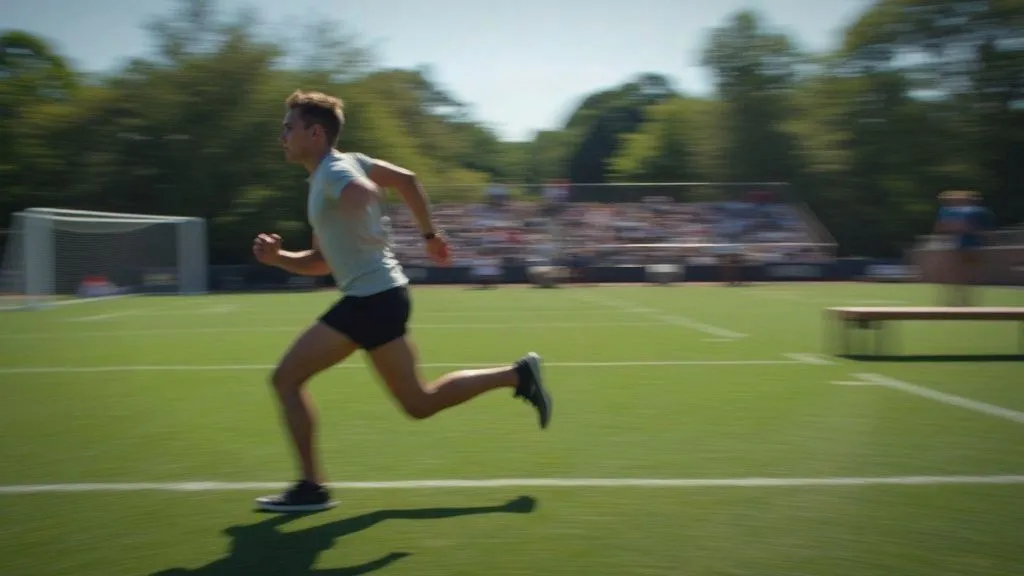
Every athlete, whether a weekend warrior or a professional competitor, knows that sports conditioning is essential for peak performance. Sports conditioning involves physical training that enhances an athlete’s overall performance by improving strength, speed, agility, and endurance. In this article, we will break down the principles of sports conditioning, offer tailored exercises, and discuss how to implement a successful conditioning program.
Understanding sports conditioning begins with appreciating its pivotal role in athletic performance. According to the National Strength and Conditioning Association (NSCA), the right conditioning can reduce the risk of injury and improve efficiency during performance. Let’s explore how to master it.
What is Sports Conditioning?
Sports conditioning includes a series of physical training techniques designed to enhance an athlete’s physical qualities, such as:
- Strength: The ability of muscles to exert force.
- Endurance: The capacity to sustain prolonged physical activities.
- Speed: The rate at which an athlete can move.
- Agility: The ability to change direction quickly without losing speed.
- Flexibility: The range of motion around a joint.
A study conducted by the Journal of Strength and Conditioning Research found that a well-structured conditioning program can improve performance metrics by as much as 20%. This highlights the significance of proper conditioning in sports.
Why is Sports Conditioning Important?
Injury Prevention
One of the main benefits of a well-planned sports conditioning program is the reduction in injury risk. Conditioning helps to strengthen muscles, ligaments, and tendons, making them less susceptible to strains and tears.
Improved Performance
Athletes who engage in regular conditioning see improvements in their performance levels. For example, sprinters may achieve better times, while endurance athletes can sustain longer periods of activity without fatigue.
Enhanced Recovery
Conditioning also plays a crucial role in recovery. A good program prepares athletes to handle physical stress better and recover more quickly after intense activities.
Building a Conditioning Program
Assessing Your Starting Point
Before diving into a conditioning program, take stock of your current fitness level. This can be achieved through:
- Fitness Testing: Evaluating strength, endurance, speed, and agility through standardized tests.
- Goal Setting: Establishing short-term and long-term objectives. For instance, a short-term goal could be improving your mile run time by 30 seconds, while a long-term goal might focus on completing a triathlon.
Key Components of Sports Conditioning
1. Strength Training
Frequency: 2-3 times per week
Exercises: Focus on compound movements like squats, deadlifts, bench presses, and pull-ups.
Example Routine:
- Squats: 3 sets of 8 reps
- Bench Press: 3 sets of 8 reps
- Deadlifts: 3 sets of 6 reps
- Pull-Ups: 3 sets of max reps
Strength training increases muscle mass and metabolic rate, which is crucial for enhanced performance.
2. Endurance Training
Frequency: 3-5 times per week
Exercises: Depending on your sport, this could include running, cycling, swimming, or rowing.
Example Routine:
- Long Run: 30-60 minutes at a steady pace
- Interval Training: 6x400m sprints with 2 minutes of rest between each
Endurance training improves cardiovascular health and performance sustainability.
3. Speed and Agility Drills
Frequency: 2 times per week
Exercises: Ladder drills, cone drills, and sprint intervals.
Example Routine:
- Ladder Drill: 10 minutes of various footwork patterns
- Cone Sprints: 5 sets of 30m sprints from a standing start
Speed and agility drills enhance quickness and ability to change direction while maintaining speed.
4. Flexibility Training
Frequency: Daily or post-workout
Exercises: Static stretches and dynamic warm-ups.
Example Routine:
- Hamstring Stretch: 30 seconds per leg
- Quadriceps Stretch: 30 seconds per leg
- Shoulder Stretch: 30 seconds per arm
Flexibility enhances range of motion and reduces injury risk.
Nutrition and Hydration
A proper conditioning program works best when paired with a balanced diet and adequate hydration.
Key Nutritional Guidelines
-
Macronutrients:
- Carbohydrates: 55-60% of total calories for energy.
- Proteins: 15-20% for muscle repair and growth.
- Fats: 20-30% for hormone production and energy.
-
Hydration:
- Drink at least half your body weight in ounces of water daily. For example, a 150-pound athlete should consume around 75 ounces of water.
-
Pre- and Post-Workout Nutrition:
- Pre-Workout: A meal rich in carbohydrates and moderate protein, consumed 1-2 hours before training.
- Post-Workout: A meal with protein and carbohydrates (like chicken and rice) to aid recovery.
Expert Opinions on Sports Conditioning
To provide more context, we consulted sports conditioning experts. Dr. Sarah Thompson, a sports physiologist, emphasizes, “The integration of sport-specific skills in conditioning workouts significantly enhances an athlete’s readiness. Tailoring the routine to the sport maximizes benefits.”
Coach Tom Reynolds, who has trained numerous professional athletes, asserts, “Consistency is key. Athletes must stick to their conditioning plan while incorporating rest days. Overdoing it can lead to burnout.”
Tracking Progress
Monitoring your progress is crucial to see improvements. Here are methods to effectively track your conditioning:
- Journaling: Log workouts, noting repetitions, sets, and duration. This helps identify patterns and areas for improvement.
- Fitness Apps: Utilize apps that track workouts and offer insights on performance improvements.
- Regular Testing: Schedule monthly assessments of your strength, speed, and endurance to gauge progress.
Conclusion
Incorporating sports conditioning into your training regimen can significantly enhance your performance while reducing injury risk. By understanding the basics of strength, endurance, flexibility, and agility training, you can create a personalized conditioning program that suits your specific needs.
Stay committed to your goals, maintain a balanced diet, and listen to your body. Ultimately, mastering the art of sports conditioning will not only prepare you for competition but also cultivate a lifelong appreciation for fitness and health.
As you embark on this journey, remember that conditioning is as much about physical training as it is about mental resilience. Embrace the challenges, celebrate your victories, and enjoy every step of the way!